Building a Brighter Future
Empowering All to Live Healthy Lives

Establish mechanisms for sustainable healthcare by collaborating with local communities
 Atsushi Ueyama Photographs
-

Proposer
We propose new values with an eye on the future. For instance, we have developed ultrasound devices for nurse-midwives to use in medical facilities lacking physicians. This initiative has contributed to safer maternal and child health in rural areas.
-

Facilitator
We create momentum for new initiatives involving various stakeholders. We advocate not only at local health departments but also at the national and international levels, including with the Japanese government and other organizations.
-

Advocate
We engage in advocacy with the Zambian government. Unlike larger organizations, we can verify the effectiveness of our activities on a project basis. If effectiveness is demonstrated, the government can quickly expand the impact by using our initiatives as a model in other regions.
WHO WE ARE
 Atsushi Ueyama Photographs
We are a Japanese organization with over 20 years of experience in healthcare initiatives, originally established in Sudan in 2006. Since 2019, We have expanded our operations to the Chisamba and Chibombo districts in Central Province, Zambia, and we are on going to expand further into other districts in Central Province as well as Lusaka Province.
Despite having more limited geographical and financial resources compared to larger organizations, our NGO strives to bridge cutting-edge medical practices with rural Zambia, addressing challenges in healthcare access. We aim to gain the trust of local communities, particularly those who face difficulties accessing medical services, and to expand the scope of our activities.
Achievement
Japan NGO Partnership Program for Official Development Assistance
-
March 2021 USD 307,405.66
Project to Improve Maternal and Child Health in Mwapula Catchment, Chisamba District -
March 2022 USD 272,420
Project to Improve Maternal and Child Health in Chisamba District -
March 2024 USD 510,039
Project to Improve Access to Medical Imaging Diagnosis in Chisamba and Chibombo Districts, Central Province
WHAT WE DO ?
WHAT WE DO ?MATERNAL AND CHILD HEALTH
Mother Shelter
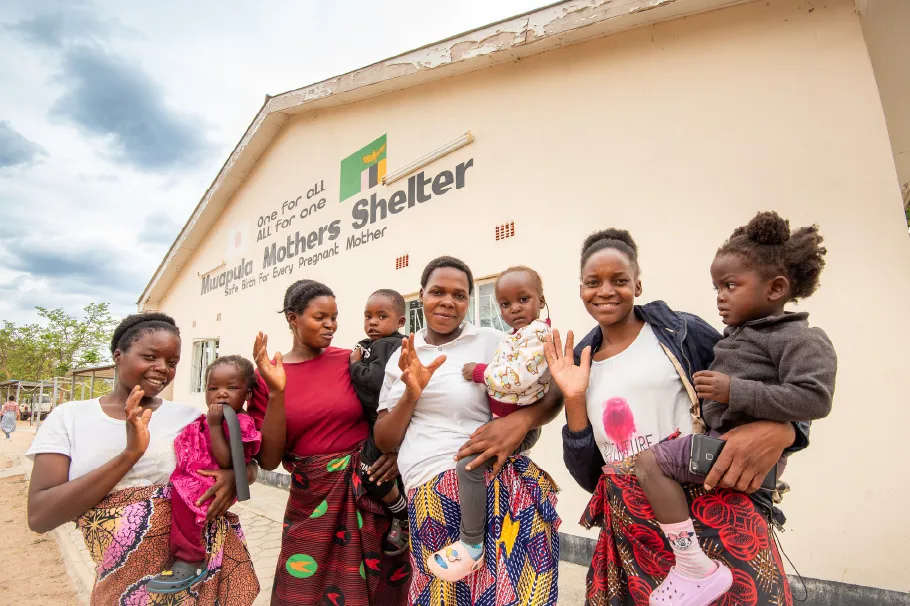
Before the construction of the shelter, many mothers had to walk to health posts while enduring intense abdominal pain just before delivery. There were also numerous cases of roadside births, some resulting in the loss of lives due to inadequate assistance.
To address this issue, we constructed a Mother Shelter where mothers can stay approximately 10 days before childbirth, accompanied by their families.
As a result, the facility-based delivery rate increased from 40% to 80%.
 Junji Naito Photographs
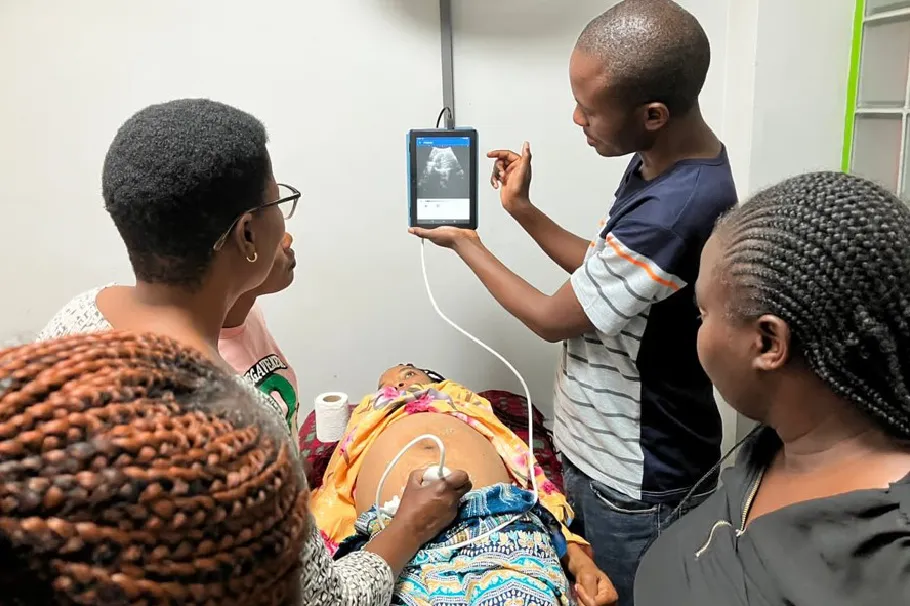
Ultrasound
Despite their importance, ultrasound examinations were not easily accessible due to their high cost.
To address this, we introduced simple and affordable ultrasound devices at health posts, making it easier for mothers to undergo examinations.
We also established a referral system to transfer pregnant women with detected abnormalities to higher-level hospitals for appropriate treatment.
This initiative has contributed to reducing the risk of maternal mortality.
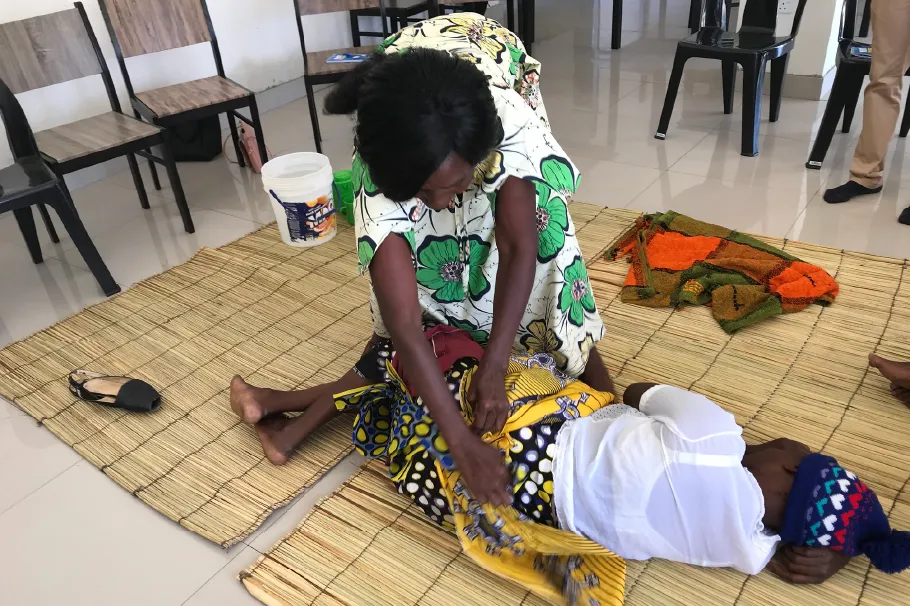
Volunteer (SMAG)
To protect future generations, community strength is as vital as healthcare.
Improving the quality of Safe Motherhood Action Groups (SMAG) is essential for maintaining maternal and child health.
We provide certification training for SMAG members and organize regular meetings to ensure accurate maternal and child health data reporting within the community.
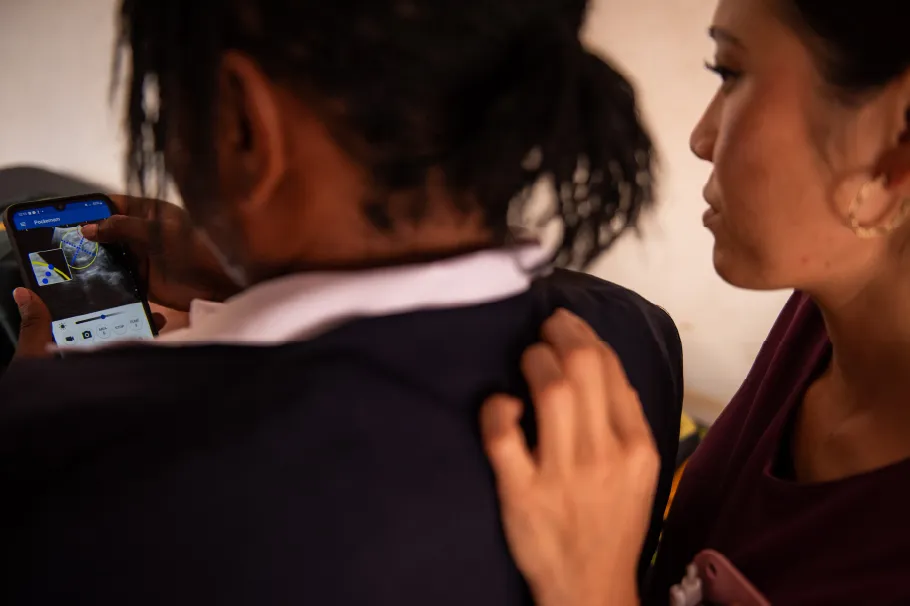
Digitization
We have digitized patient data that was previously managed on paper, enabling efficient collection, analysis, and intervention.
This digital transformation allows for quicker and more accurate treatment and supports evidence-based decision-making in healthcare administration.
 Junji Naito Photographs
TUBERCULOSIS INITIATIVE
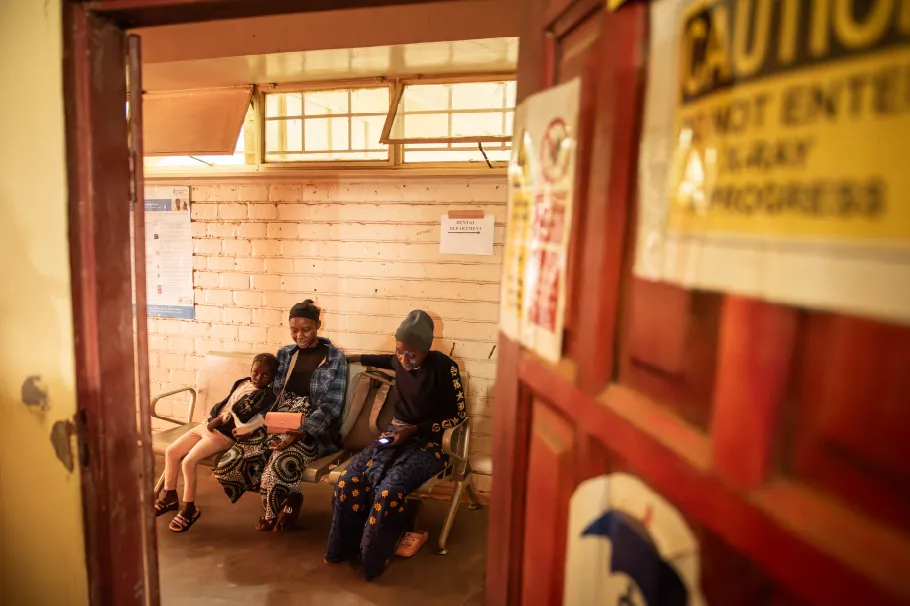
Zambia is among the countries with a high burden of tuberculosis, which remains one of the leading causes of death. However, many rural health facilities lack X-ray equipment, forcing residents to travel long distances to urban centers for diagnostic examinations. This often results in delayed diagnosis and poorer health outcomes.
 Junji Naito Photographs
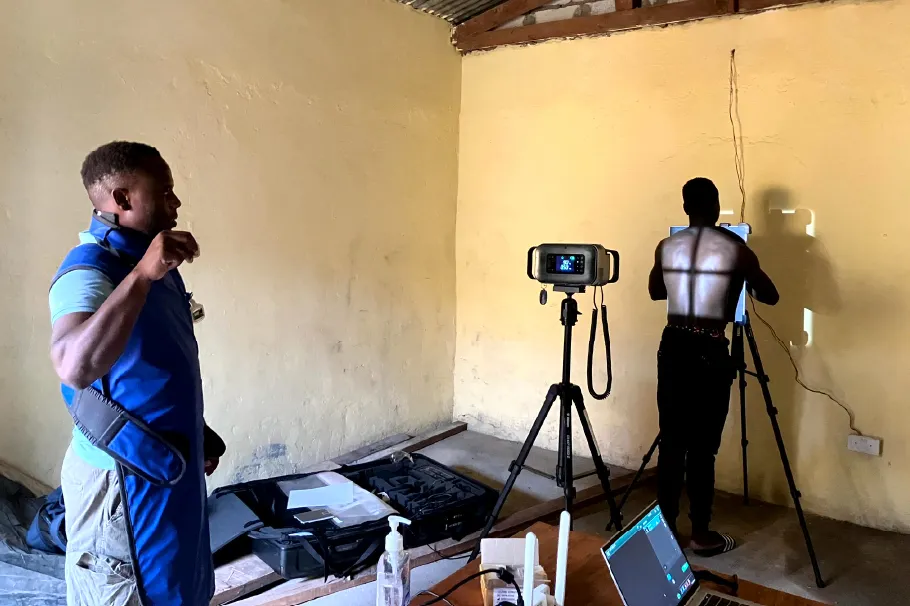
Portable X-rays and mobile TB screening
To improve access to diagnostic services, Rocinantes, in collaboration with Fujifilm Corporation, installed portable X-ray machines and established an inter-facility equipment-sharing system.
Furthermore, this mobile X-ray unit enables outreach activities of tuberculosis screening as well as fracture screening and diagnosis in remote communities located far from health centers. Through the dedicated efforts of trained health center staff and community volunteers, it is helping to reduce the number of undiagnosed patients.
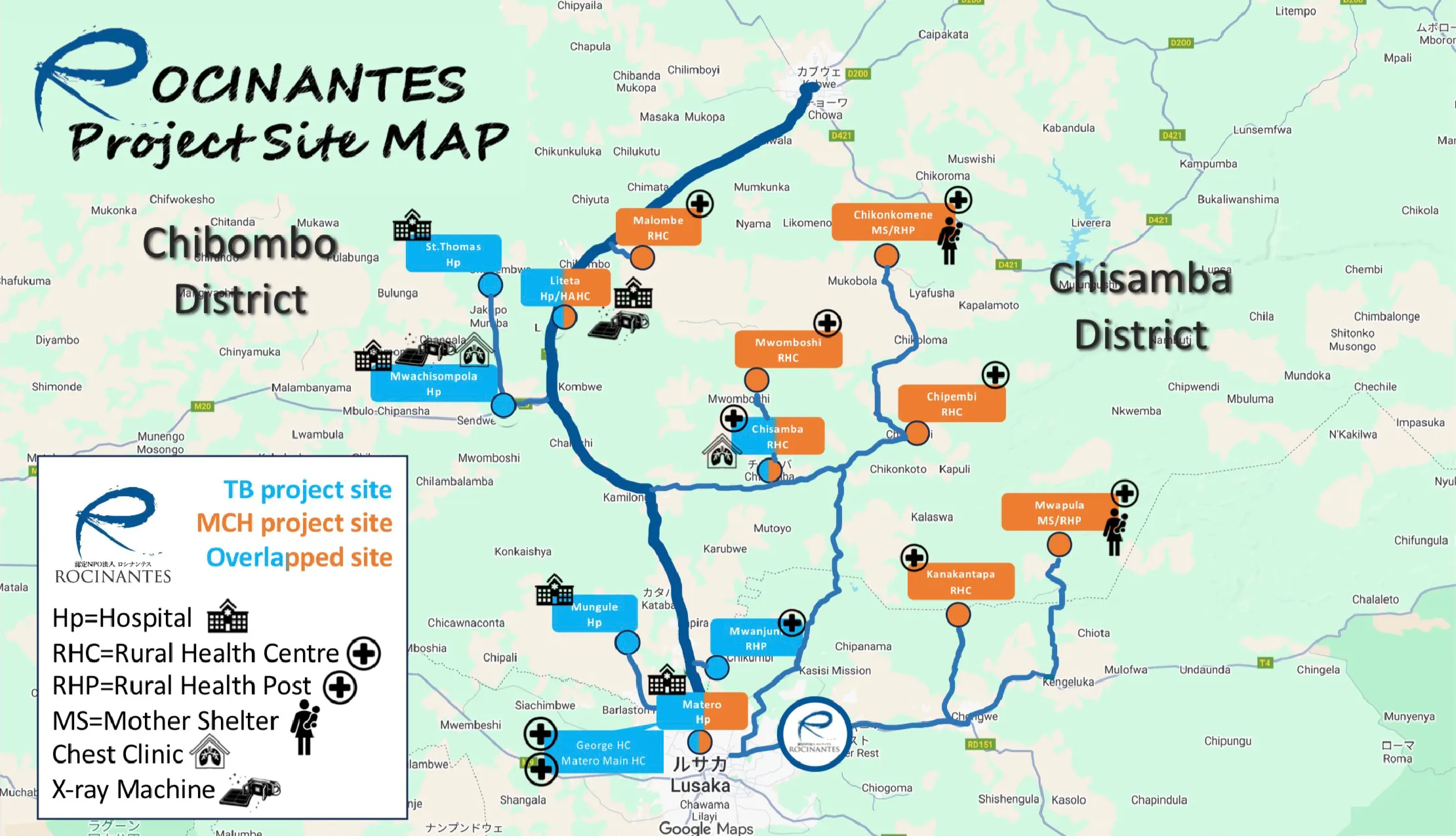
- The project covers the following eight facilities:
-
●Chibombo District
- ○Mwachisompola Hospital
- ○Mwanjuni Health Post
- ○Mungule Hospital
- ○St. Thomas Hospital
-
●Chisamba District
- ○Liteta Hospital
- ○Chisamba Health Center
- ○Malombe Health Center
- ○Chipembi Health Center
Achievements
Since its launch, the project has screened 5,234 people with suspected tuberculosis using portable X-ray units between 2024 and 2025. As a result, 871 TB cases were identified, including 445 patients(51%)who were diagnosed through X-ray examinations despite negative sputum test results.
- The project has highlighted that the following groups are at greater risk of being underdiagnosed:
- ● Infants and young children
- ● Older adults
- ● People living with HIV
The findings also suggest a higher burden of tuberculosis in densely populated communities.
Future
- In addition to tuberculosis diagnosis, X-ray machines are also used to detect:
- ●Pneumonia
- ●Bone fractures and other orthopedic conditions
The project aims to expand the number of X-ray units and participating health facilities in the coming years.
Voices from the Field
Maternal and Child Health Initiative
-
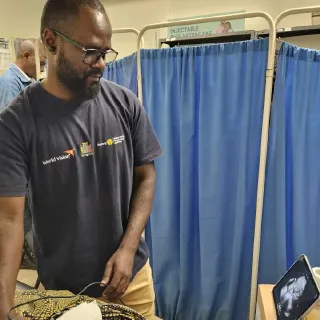 Mr. Peter from Chipembi Health post
- The Butterfly ultrasound device has greatly improved the accuracy of our diagnoses, especially during early pregnancy. It allows us to make timely clinical decisions and refer patients to higher-level hospitals when needed. Beyond maternal health, the device also has the potential to improve care for a wide range of patients. I am proud to be part of a program that helps detect complications early and contributes to reducing maternal and newborn deaths in our community.
Information
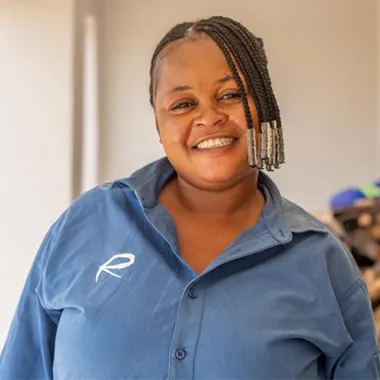
Projects Manager of Rocinantes Zambia
Zambia Office
- Address
- Plot 1282/88 Chelston, Palm Drive, House No:87, Lusaka, Zambia.
- Mobile
- +260 968038529
- Lusaka@rocinantes.org
- https://www.facebook.com/share/1DQqk6BL4G/
One of the biggest challenges we face is diagnosing tuberculosis in children, as obtaining sputum samples is often difficult. The introduction of chest X-ray services has greatly improved our ability to detect and manage suspected cases at an early stage. We have become more confident in TB screening and diagnosis, and communities now have better access to services closer to home. I am grateful for the support that has made this work possible and hopeful that we can continue expanding these services to reach even more people in need.